Skip to content

What are Dental Implants? Read this Dental Implant FAQ

Dental Implant Frequently Asked Questions

Who places dental implants?
Periodontists commonly place dental implants, although oral surgeons and general dentists are also capable of placing dental implants. Prosthodontists are often involved in the restoration process, which is the placement of the abutment and crown after the implant has been placed.
What is a periodontist?
A periodontist is a dentist who specializes in the prevention, diagnosis and treatment of gum disease, and in the placement of dental implants. A periodontist must complete three extra years of training beyond dental school and must be accredited by the American Academy of Periodontology.
Does getting dental implants hurt?
Dental implant surgery, as with any surgery, does cause some pain afterward. However, at Dental Associates, we do everything we can to make your experience as comfortable for you as possible. We use anesthetic and offer intravenous sedation as an option, and prescribe medication to control any discomfort or swelling that may occur after the procedure. We take special care to remain in contact with you and to see you post-operatively, and we are available 24/7 if you have an emergency.
Are all dental implants successful?
Yes, dental implants are very successful. Data collected over the last 30 years shows that dental implant surgery is over 97% successful. Dental implants are made from titanium, which is a material that’s very compatible with our bodies. As a result, the body does not reject dental implants as it might reject a soft-tissue implant, such as a heart or a lung.
How much will dental implants cost?
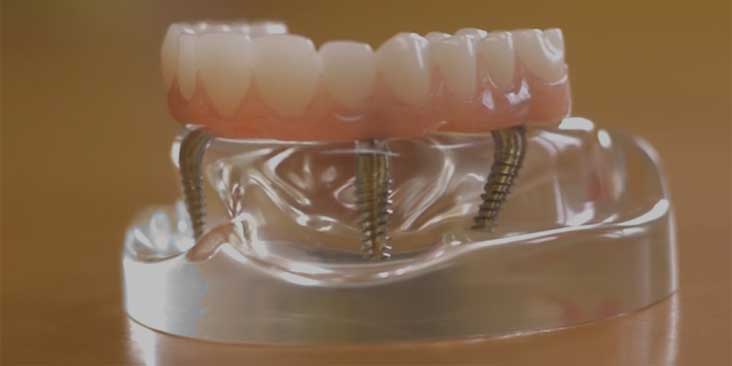
Dental implant procedures vary in cost depending on the type of implant needed. An implant is a man-made replacement made from titanium, which is a strong material that’s highly compatible with the human body. Special drills, components, and equipment are also used for the delicate procedure. For a consultation, call 888-594-9941, contact our Implant Experience Specialist, or attend a Dental Implant Seminar.
Will my insurance cover dental implants?
Insurance may cover some portions of the surgery. However, an implant is not a covered benefit in most insurance contracts. We’ll maximize all your available medical and dental benefits, and you may qualify for additional dental insurance through CarePlus to help with the costs. Read more about Dental Implant Insurance.
What do dental implants feel like?
Dental implants feel very natural so you’ll be able to talk, eat, and smile just as you would with your natural teeth.
Do dental implants look like real teeth?
Yes, dental implants look like real, natural teeth. If supporting bone and gum tissue has deteriorated, your new teeth may need to be slightly longer to fill the space. However, the difference will be minor and your implant specialist will be able to expertly place them so that they look like real teeth.
Am I too old for dental implants?
As long as you’re in good health, you’re not too old for dental implants. Our Dental Associates periodontists routinely place dental implants in patients in their 70s and 80s.

Dental Implants: Medically-Related Questions

If you’re considering dental implants, you probably have plenty of medically-related questions, including questions about how your overall health will affect the outcome, how medications will be influenced by implant procedures, and questions regarding the procedure itself.

Our clinical team of highly-trained implant specialists and support team members will address any concerns you may have during your dental implants consultation. In addition to medically-related questions, below you’ll find answers about insurance issues, pre-operative care, post-operative care, and other related topics.

Be sure to fully discuss your specific case with your primary doctor as well as with our implant specialists to ensure you feel comfortable before a dental implant procedure.

Pre-Surgical Questions

Should I avoid any medications and/or vitamins prior to surgery? If so, for how long?
It’s important to discuss all your medications and supplements with your surgeon prior to treatment. We’ll work with your physician to safely manage your medications.
Are there food and drink restrictions prior to surgery?
If you’ll be sedated for the procedure, do not consume anything including water for six to eight hours prior unless instructed differently. Necessary medications may be taken with a sip of water prior to sedation.

Dental Implant Surgery Questions

What sedation and anesthesia will be used, and how will it be managed?
Our surgeon will discuss your sedation and anesthesia options, and our staff will provide advanced care with minimal discomfort and anxiety.
Will vital signs be monitored?
Yes, the implant surgeon and surgical assistants will continuously monitor vital signs throughout the procedure.
What is the estimated length of surgery?
Your implant consultant will review your treatment time with you in detail prior to the procedure.
Is there much blood loss?
Blood loss from dental implant surgery is generally very minimal, even if you are taking anticoagulants (blood thinners).
How many implants has Dental Associates placed?
Our clinicians have placed thousands of implants successfully. All our dental implant specialists have received additional training and are highly-qualified to place implants, so you can have peace of mind you’ll be in good hands.
Will antibiotics be prescribed following surgery?
We commonly prescribe antibiotics such as amoxicillin or clindamycin. Post-operative instructions about antibiotics will vary depending on your specific needs.

Dental Implant Surgery Recovery

How much time will I miss from work?
Depending on the extent of the procedure, type of sedation, and your occupation, you’ll need anywhere from a few hours to a few days before returning to work.
Can I expect any facial bruising?
Bruising is not common after a dental implant procedure. Our specialists will give you post-operative instructions, including cold compresses to reduce swelling and inflammation, should you experience any.
When can I resume fluid intake and when can I start to eat soft food again?
After a dental implant procedure, you may drink clear liquids immediately. Our specialist will discuss your recommended diet based on the nature of your surgery.
When will my post-surgical follow-up appointment be?
We typically like to see our patients within 7-10 days following surgery. Our treatment and scheduling coordinators will discuss your post-operative care and follow up visits, and keep you informed of your appointments.

General Dental Implant Questions

What type of cleaning is required after an implant is placed?
Dental implants should be treated just like natural teeth with brushing and flossing every day. Our team of specialists and dental hygienists will review oral hygiene instructions with you and will recommend appropriate oral hygiene treatment to keep your implants in optimal shape for years to come.
Are there any additional costs/fees to expect?
All fees will be discussed prior to surgery during the consultation appointment.

Have Questions?

Start a conversation with our Implant Experience Specialist

dental-veneers-implants