Dental Associates Blog

Our Experts. Your Oral Health

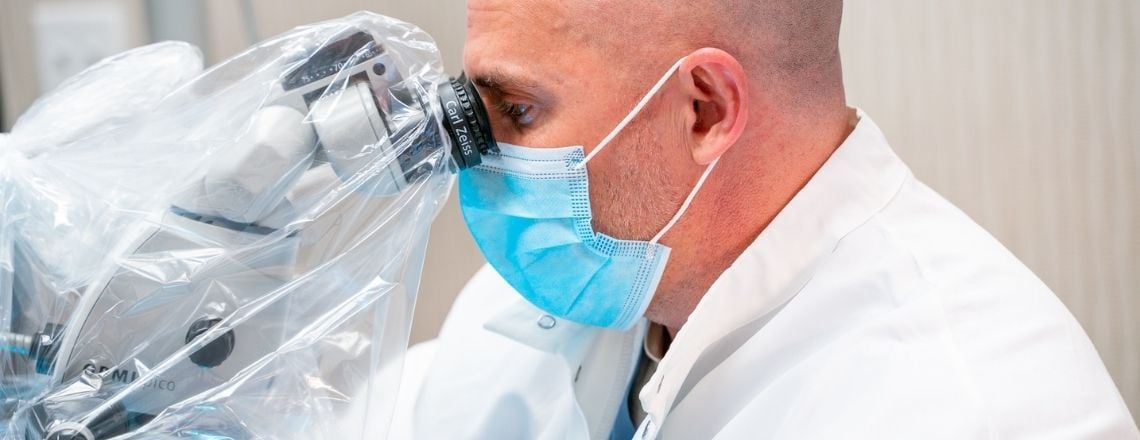
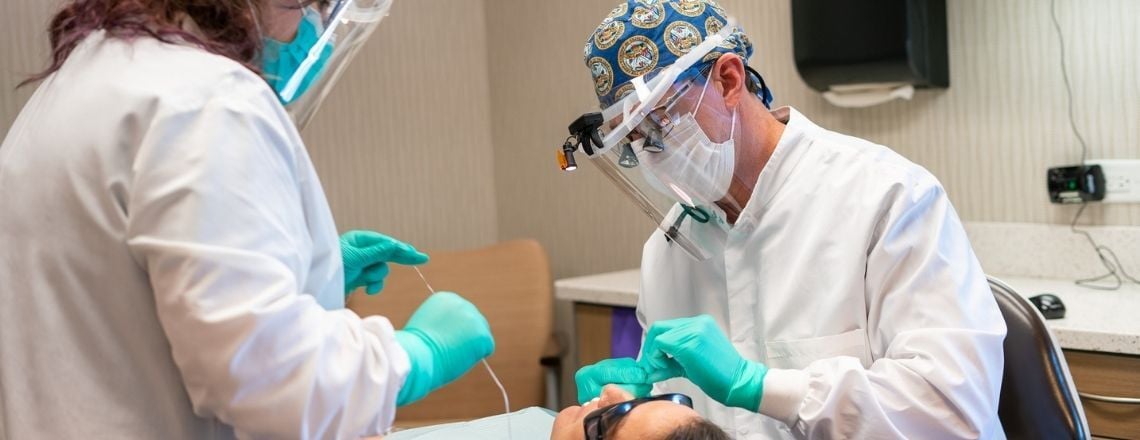
A dentist wearing a protective mask uses a Carl Zeiss dental microscope for precision treatment.
May 10
Root Canals: No More Pain!

Root canals have historically gotten a bad rap, but they can be the saving grace for your extreme tooth pain, and the tooth itself! When many people think of root canal therapy, they fear the dentist or endodontist causing intense pain. However, that is not the case! In fact, root canals help to eliminate your tooth pain and are not a painful procedure. Why do I need a root canal? Root canals are needed to remove bacteria and infected tissue from a tooth's infected root. Performing root canal therapy prevents reinfection and can help save the natural tooth. If you are experiencing any of the following symptoms, a root canal may be the answer: Severe pain while chewing or biting General trauma to the tooth, such as a chipped or cracked tooth Lingering sensitivity to hot or cold, even after the sensation has been removed Aching or constant throbbing pain in the mouth Swollen or tender gums Deep decay or darkening of the gums What happens during a root canal? Today’s root canals are very similar to a routine dental filling and are not painful. Often the pain from your tooth is worse than the actual procedure. The procedure, given proper anesthesia, has no pain at all! After treatment, you will be pain-free and on your way to recovery. Your dentist or endodontist will begin by numbing the area. They then remove the inflamed or infected nerve of the tooth. The area is then filled and sealed to prevent repeat infection. Afterward, you will likely need a crown placed on the treated tooth to restore full form and function. Run don’t walk! Don’t let your fear of the dentist or root canals keep you from becoming pain-free. The longer you wait, the more pain you will experience and can sometimes result in losing the tooth if not treated. This also risks greater and worsening infection. At Dental Associates, our dentists and endodontists are well-trained and want to help you become pain-free. If you are experiencing tooth pain, schedule your appointment today. Still anxious? Ask your dentist or endodontist what can be done to help alleviate your dental anxiety.

Learn more →
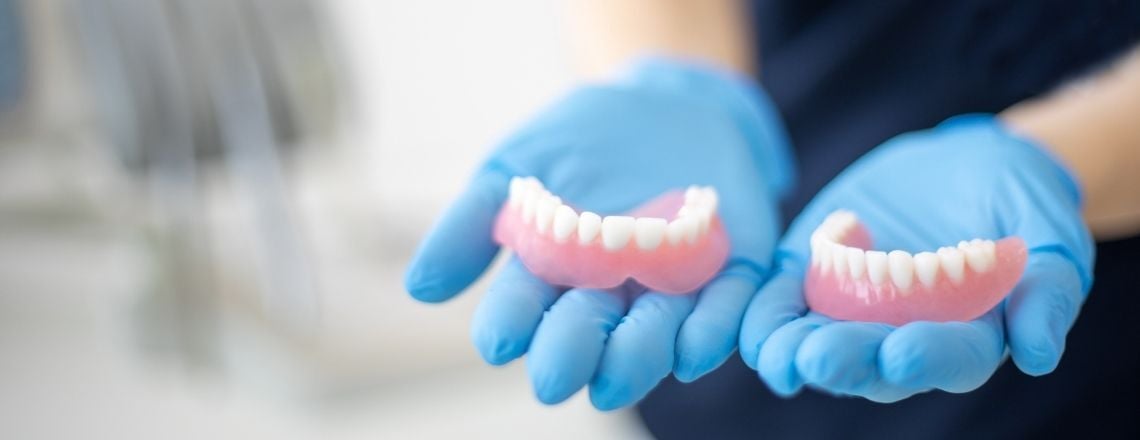
A dental professional wearing blue gloves holds a complete set of upper and lower dentures.
Oct 16
Digital Dentures

Into the Digital Age: Digital Dentures According to the National Institute of Dental and Craniofacial Research, around 24% of people ages 65-74 and 31% of people over the age of 75 are edentulous, and thus require replacement of all their teeth.* For many, they choose to replace their teeth dentures. You may have ideas of what a denture is and is not and what the process is for creating and delivering a denture. Some patients struggle with adapting to dentures while others have worn the same pair for over 30 years. However, whenever a new pair is needed, both groups know that it takes a lot of steps to get the final prosthesis. Digital dentures are the future of creating a more predictable denture with fewer steps, saving you time between appointments and resulting in a better product! What Are Digital Dentures? Digital dentures are dentures fabricated with an entirely digital process using a wide array of data. By using photographs, digital scans of the impressions/bite, and a 3D smartphone facial scan, we can merge that information with a proposed denture design to produce a denture that is easily adjusted by a computer. Advantages of Digital Dentures Fewer Appointments Conventional dentures require five appointments: Preliminary impression Final (more detailed) impression Wax bite Wax tooth esthetic try-in Final delivery On the other hand, digital dentures can be made in 2-3 appointments depending on the situation. The increased efficiency with a digital approach means fewer visits to the dentist. This can be especially beneficial for those who have difficulty getting to and from our clinic, including patients who are wheelchair-bound, in nursing facilities, or those just seeking to replace their teeth faster. Digital dentures solutions can also be used to reproduce certain aspects of your current denture set. A reline of the old dentures along with a scan of the denture itself can be used to duplicate a new, better fitting denture that duplicates the same esthetics or improves on the old set. Receive More Predictable Results Dentures are a scientific and artistic prosthesis. The traditional denture fabrication process puts pressure on the dentist to incorporate several pieces of data via a partially subjective viewpoint using research-backed processes as a guide. This can lead to the same denture being made differently by different dentists. Digital dentures reduce this by extracting and using a wide arrange of data. Through photos, digital scans and 3D imaging, we can combine this information with a proposed denture design to produce a denture that is easily adjusted by a computer. Digital dentures also offer a wider array of tooth shape selection compared to the set molds of denture tooth companies, which leads to a more customized product. Achieve a Better Dentures Fit Conventional dentures are made by converting wax into acrylic. This process can lead to shrinkage of the denture ever so slightly that the denture may not be as retentive or may require additional adjustments at the time of delivery. Additionally, not all the acrylic fully cures in some of the processes depending on how it is handled, which can lead to a residual chemical called monomer that is irritating to some patients. Digital dentures are milled from fully processed pucks of acrylic, which means they have superior strength and reduced residual monomer. The accuracy of these milled dentures is higher too. Digital dentures can also be 3D printed, which reduces the amount of waste produced. Creates a Digital Library for Remakes One of the most exciting aspects of digital dentistry is the ability to reproduce dentures without the need for additional appointments. With the conventional denture technique, if you lost your denture it would take five appointments and nearly four to six weeks to get your denture completed. For digital dentures, the digital files are saved on the computer and can be remilled or reprinted in as little as one appointment. Are Digital Dentures the Right Option for Me? Digital denture solutions come in many varieties. At Dental Associates, we pride ourselves in offering unique treatment plans to patients. Ask your provider how a digital denture solution will work for you! *Tooth Loss in Seniors

Learn more →


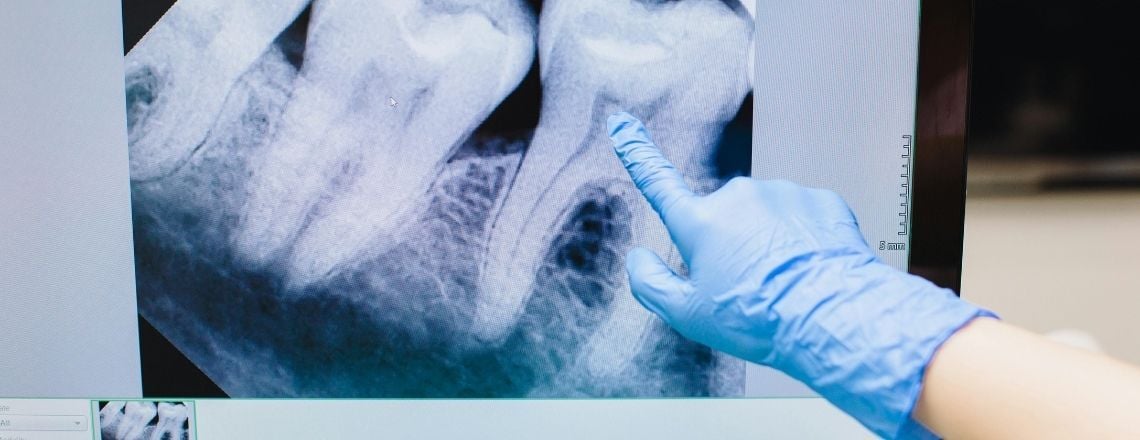
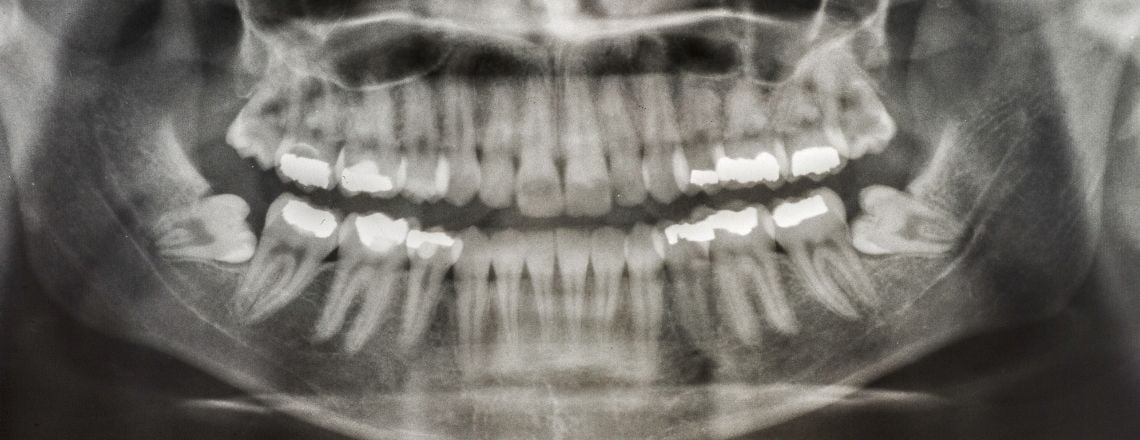
x-ray image highlighting wisdom teeth
Jan 22
When is Wisdom Teeth Removal Necessary?

Do Wisdom Teeth Have to be Removed? Wisdom teeth are the third molars in the very back of our mouths and don’t always need to be removed so long as they’re healthy, grown in completely, biting correctly, and are able to be cleaned as part of regular hygiene practices. Often, wisdom teeth don’t have room to grow properly and end up creating problems for your other teeth. Through X-rays and scans of the mouth and jaw, dentists can predict problems with your wisdom teeth before they arise, which means you may not have pain when your dentist recommends an extraction. Wisdom teeth that erupt can grow in at various angles, sometimes horizontally, and lead to a myriad of more serious problems such as: Staying completely hidden inside the jaw, becoming impacted. Impacted wisdom teeth can sometimes cause pathologies such as cysts, and tumors Only emerging partly through the gums, creating a passageway for bacteria. Because wisdom teeth are hard to reach as a part of everyday cleaning, a partially emerged wisdom tooth allows for bacteria to grow, increasing the chances of gum disease or infection. Crowd nearby teeth. If wisdom teeth don’t have the proper amount of space when they emerge, they may crowd or damage other teeth. Wisdom teeth are hard to keep clean and cause cavities that cannot be restored. I normally recommend to my patients that we remove wisdom teeth in their late teens. Removing the teeth at a younger age before the roots are fully formed makes for an easier surgery and recovery. Many individuals who have their wisdom teeth removed are not yet experiencing the negative side effects of wisdom teeth and are having them extracted as a preventative measure. Should you elect to postpone your wisdom tooth removal, you should see a dentist as soon as you begin experiencing changes in your teeth or any of the following symptoms: Pain Repeated infection of soft tissue behind the lower last tooth Gum disease Extensive tooth decay Talk to your dentist about the position and health of your wisdom teeth and together you can determine a solution that’s best for you.

Learn more →
Jan 16
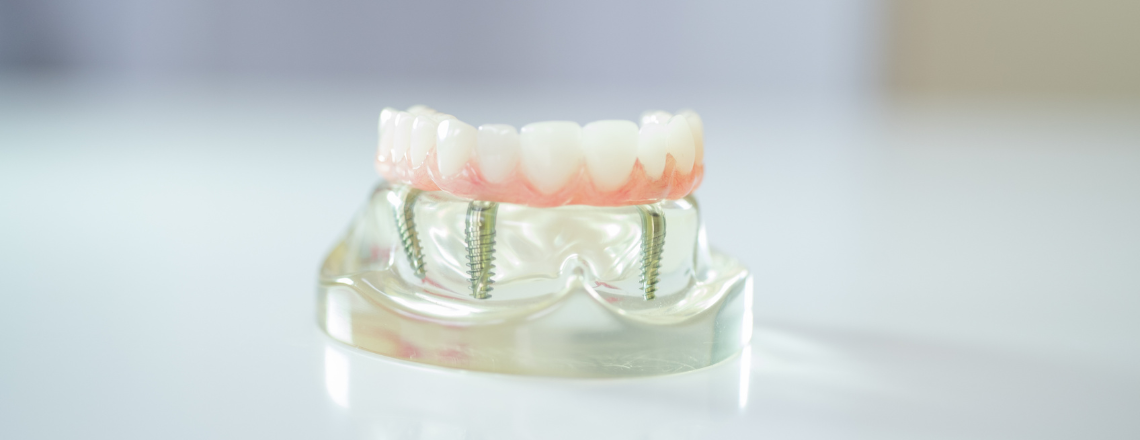
What are Implant-Supported Dentures?

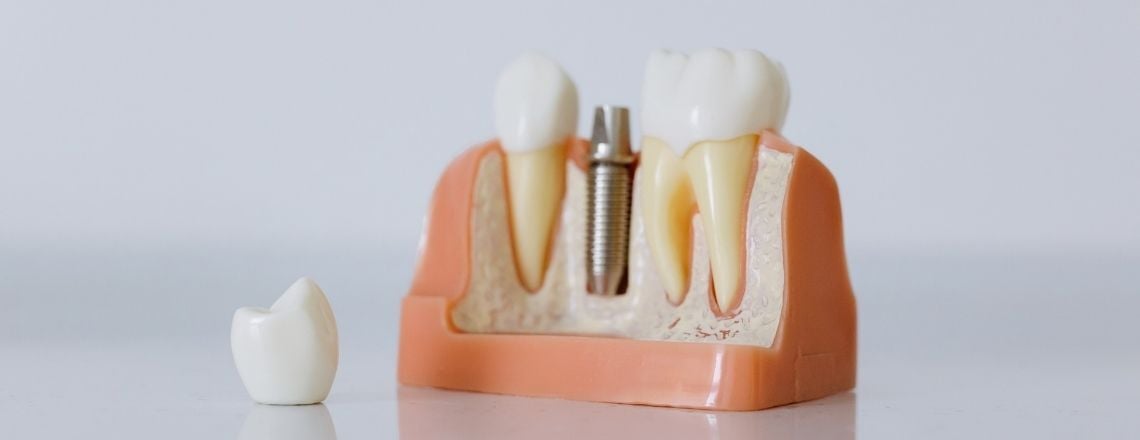
Implant-supported dentures are a great service for patients. Implant-supported dentures are the middle ground between the conventional denture that uses adhesive and the more expensive advanced full-arch dental implants. Implant-supported dentures are a great option for individuals who are seeking an affordable option to significantly improve their ability to chew and smile. The support of the implant allows the dental fixture to be shaped into a horseshoe, reducing the bulkiness and opening the palate to create more space for the tongue and better ability to taste food. Implant-supported dentures are sturdier and do not require adhesive. The individual can improve their diet by including fruits, veggies, steaks, corn on the cob, and other foods one would typically have to avoid with traditional dentures. Also, implant-supported dentures significantly improve patients’ confidence to smile and speak. This type of dentures is removable, and you’ll be able to snap it on and off as many times as needed. This means that cleaning and maintaining the denture is just as easy as a traditional denture. Benefits of Implant-Supported Dentures They are an affordable option for significant improvement in the ability to chew and smile Implant-supported dentures are sturdy and don’t need adhesive They function more like natural teeth The denture is removable, making it easy to clean This option preserves gum tissue and bone What is the Process for Placing Implant-Supported Dentures? Essentially, the existing denture becomes the interim denture after the implant surgery. Four months later, the patient gets a new denture that snaps-on to their implants. The process is simple and includes a series of appointments with your dentist. Your first appointment will be a consultation to further discuss what the process and care plan will look like when individualized to you. With your dentist, you will discuss the full procedure and other pertinent details to consider when deciding if implant-supported dentures are right for you. Your dentist will be able to show you models and answer any outstanding questions you may have about implant-supported dentures. If you think you may be a candidate for implant-supported dentures, reach out to a clinic near you to schedule a consultation.

Learn more →