When is Wisdom Teeth Removal Necessary?
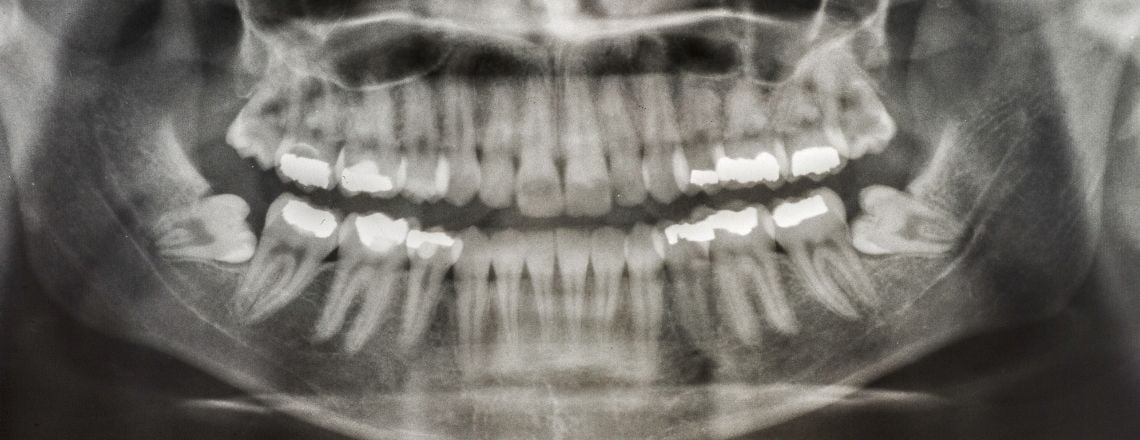
Do Wisdom Teeth Have to be Removed? Wisdom teeth are the third molars in the very back of our mouths and don’t always need to be removed so long as they’re healthy, grown in completely, biting correctly, and are able to be cleaned as part of regular hygiene practices. Often, wisdom teeth don’t have room to grow properly and end up creating problems for your other teeth. Through X-rays and scans of the mouth and jaw, dentists can predict problems with your wisdom teeth before they arise, which means you may not have pain when your dentist recommends an extraction. Wisdom teeth that erupt can grow in at various angles, sometimes horizontally, and lead to a myriad of more serious problems such as: Staying completely hidden inside the jaw, becoming impacted. Impacted wisdom teeth can sometimes cause pathologies such as cysts, and tumors Only emerging partly through the gums, creating a passageway for bacteria. Because wisdom teeth are hard to reach as a part of everyday cleaning, a partially emerged wisdom tooth allows for bacteria to grow, increasing the chances of gum disease or infection. Crowd nearby teeth. If wisdom teeth don’t have the proper amount of space when they emerge, they may crowd or damage other teeth. Wisdom teeth are hard to keep clean and cause cavities that cannot be restored. I normally recommend to my patients that we remove wisdom teeth in their late teens. Removing the teeth at a younger age before the roots are fully formed makes for an easier surgery and recovery. Many individuals who have their wisdom teeth removed are not yet experiencing the negative side effects of wisdom teeth and are having them extracted as a preventative measure. Should you elect to postpone your wisdom tooth removal, you should see a dentist as soon as you begin experiencing changes in your teeth or any of the following symptoms: Pain Repeated infection of soft tissue behind the lower last tooth Gum disease Extensive tooth decay Talk to your dentist about the position and health of your wisdom teeth and together you can determine a solution that’s best for you.
Learn more →

 Call a Clinic
 Find a Location
 Find a Dentist
 Pay My Bill
 Patient Resources
 Dental Services
 Insurance & Financing
 Family Owned