Dental Associates Blog

Our Experts. Your Oral Health

A happy senior woman and her friendly caregiver in blue scrubs share a warm laugh together.
Nov 9
Caregivers' Guide to Dental Health

When you are a family healthcare provider at home or in a care facility with your loved one, you have a lot on your mind. Doctor appointments, medications, and your loved ones' comfort can seem more urgent than the person's oral health. It's important to remind caregivers to make sure the patient's oral health is not neglected. Keeping the mouth and teeth clean can prevent sensitivity or pain in the patient's mouth. Good oral hygiene is essential for a patient's comfort, safety, and self-esteem, no matter the situation. Broken, missing, decayed teeth can cause a patient pain and can cause them to avoid eating or drinking. Broken or ill-fitting partials or dentures can make swallowing difficult or can cause pain. Numerous health issues can play a part in how much care your loved one may need. Some have physical difficulties that make it challenging to hold a toothbrush. Some have memory problems and forget to brush and floss. Some have dementia and need someone to take care of their teeth and help them visit a dentist regularly. If your loved one is in a long-term health care facility, ask about the dental care available or who would be giving the daily dental hygiene care. It is important to inquire if they are adequately trained. Whatever the case may be, making sure your loved one has a daily oral health care routine and has regular visits to the dentist is essential. Daily Oral Health Care Steps as a Family Healthcare Provider: Brush teeth twice a day for two minutes using a soft toothbrush and fluoride toothpaste. If you are the one doing the brushing, this is the easiest way to spot a problem in the mouth early on and can result in the best outcome for treatment before more significant issues arise. Clean in between the teeth with floss, a floss pick, or a water flosser. If your loved one has dentures or partials, rinse them after meals, clean them daily with denture cleaner and a soft denture brush, take them out before bed, and place them in water overnight. Doing this daily will keep food and debris from getting trapped under the denture, which may cause sores on the gum tissue, and keep the appliance clean. Limit snacking and sugary drinks. Healthy foods are good for the mouth and body while also helping keep your loved ones' cavity risk down. Sugary drinks and frequent snacking will cause the bacteria in the mouth to increase, thus increasing the patient's risk of getting a cavity. Using a fluoride rinse or gel daily will provide additional protection for their teeth. If your loved one complains about dry mouth, you can try several commercial mouth rinses made for dry mouth. Having your patient sipping on water or ice chips can also help. Take your loved one to regular dental appointments to have their teeth examined and cleaned regularly--even if they have dentures or partials. It's important to have the dentures and oral tissue examined to ensure no sore areas on the tissue or a crack in the denture. Watch for symptoms that could be a result of a larger issue. Some medications may cause dry mouth, and some can cause a patient to develop a yeast-like fungus called Candida albicans, better known as "Thrush." Some patients will have a complaint they are having difficulty chewing or swallowing. If your loved one has a new symptom, do not hesitate to have that checked out with a dentist. The support you can give your loved one as a family caregiver is important. The support and daily care you provide, along with the professional care of a dentist, will give your loved one the best chance for a healthy mouth.

Learn more →
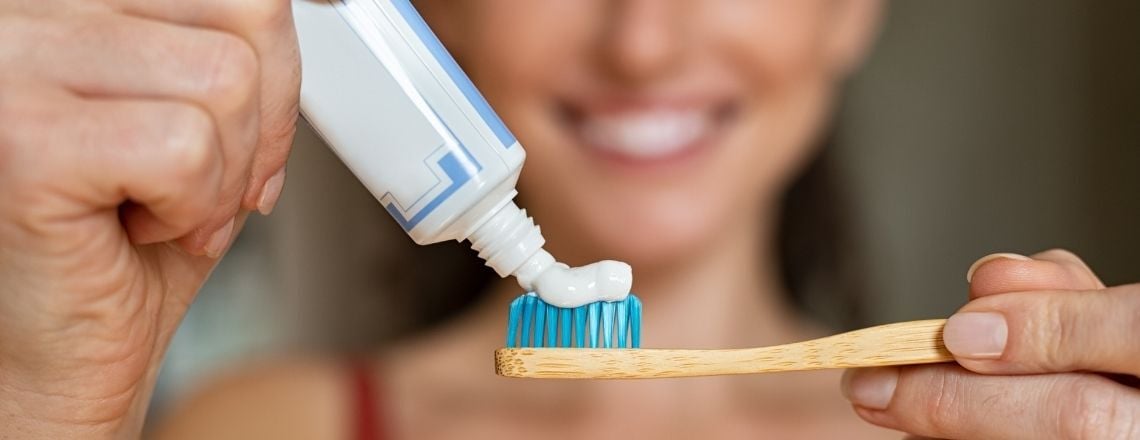
A person squeezing white toothpaste onto a bamboo toothbrush with blue bristles.
Oct 29
Fluoride Is Not Just for Kids

Many adults may be reluctant to choose in-office fluoride treatments for a variety of reasons. Cost, lack of information, miscommunication, it’s inconvenient, social media perception, or perceived need for treatment (I’m not a child, why do I need a fluoride treatment?) All play a part in an adult’s decision whether to have an in-office fluoride treatment. Fluoride Benefits: Helps decrease sensitivity -- the patient can enjoy foods/drinks without the worry of discomfort Provides protection non systemically when applied topically Helps to re-mineralize without needing to drastically change daily habits and gives longer-lasting protection to the tooth surface In the dental office, the use of fluoride is recommended and helps strengthen teeth by bonding with natural tooth minerals. We know Dental Caries is a disease of the dental structures (enamel, dentin, and cementum). The demineralization of these components through dental biofilm (plaque) and acid formation (everyday foods and drinks) causes a cavitated lesion or a “cavity”. Fluoride bonds with natural teeth resulting in stronger teeth that are more resistant to decay systemically (for developing teeth) and topically (directly applied to exposed tooth surfaces). But this information alone is not enough to give patients. Explanations of the benefits versus the features of fluoride treatments to adult patients – or “what’s in it for them?” are needed. Communicating to patients this information will help the patient understand the benefits of the recommended treatment. The use of fluoride provides the most effective method for caries control and prevention. There have been years of studies and clinical experience proving that patients benefit from professional topical fluoride applications. As Dental Professionals we have a responsibility to our patients to recommend fluoride products and help our adult patients understand that they too are susceptible to decay. Typically, we associate fluoride treatments with children however, they are not the only ones that can have poor oral hygiene, lack of dental care, and poor eating habits. Like children, adults may also consume sugary/acidic beverages and snacks frequently. Other things that can increase the caries risk for an adult is recession that leaves root surfaces vulnerable to cavities, multi-surface restorations, lack of routine dental appointments, xerostomia, or “a dry mouth” which can be a side effect from common medications like Blood Pressure or psychiatric medications and radiation therapy. Recommendations for in-office fluoride treatments are most effective when the patient understands how it will benefit them. Empowering your patient to make decisions vs just educating them will help overcome any communication challenges for a patient and lead to better patient outcomes. As our population increases in age, so can their caries risk. Performing individualized assessments on our adult patients and discussion on their current health status or habits will help engage them in their oral health decisions. Involving your adult patients in their own health can increase treatment plan acceptance when they understand why fluoride treatment is recommended and the benefits associated with the treatment.

Learn more →
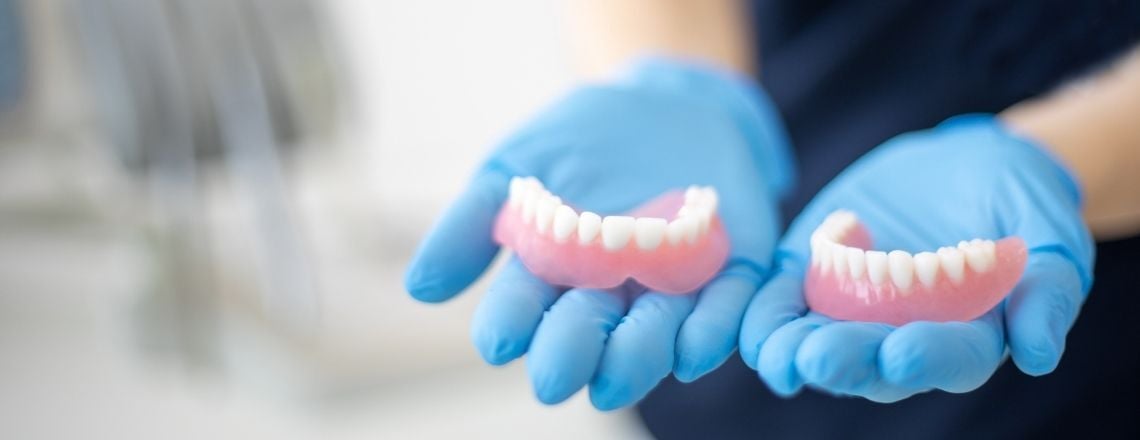
A dental professional wearing blue gloves holds a complete set of upper and lower dentures.
Oct 16
Digital Dentures

Into the Digital Age: Digital Dentures According to the National Institute of Dental and Craniofacial Research, around 24% of people ages 65-74 and 31% of people over the age of 75 are edentulous, and thus require replacement of all their teeth.* For many, they choose to replace their teeth dentures. You may have ideas of what a denture is and is not and what the process is for creating and delivering a denture. Some patients struggle with adapting to dentures while others have worn the same pair for over 30 years. However, whenever a new pair is needed, both groups know that it takes a lot of steps to get the final prosthesis. Digital dentures are the future of creating a more predictable denture with fewer steps, saving you time between appointments and resulting in a better product! What Are Digital Dentures? Digital dentures are dentures fabricated with an entirely digital process using a wide array of data. By using photographs, digital scans of the impressions/bite, and a 3D smartphone facial scan, we can merge that information with a proposed denture design to produce a denture that is easily adjusted by a computer. Advantages of Digital Dentures Fewer Appointments Conventional dentures require five appointments: Preliminary impression Final (more detailed) impression Wax bite Wax tooth esthetic try-in Final delivery On the other hand, digital dentures can be made in 2-3 appointments depending on the situation. The increased efficiency with a digital approach means fewer visits to the dentist. This can be especially beneficial for those who have difficulty getting to and from our clinic, including patients who are wheelchair-bound, in nursing facilities, or those just seeking to replace their teeth faster. Digital dentures solutions can also be used to reproduce certain aspects of your current denture set. A reline of the old dentures along with a scan of the denture itself can be used to duplicate a new, better fitting denture that duplicates the same esthetics or improves on the old set. Receive More Predictable Results Dentures are a scientific and artistic prosthesis. The traditional denture fabrication process puts pressure on the dentist to incorporate several pieces of data via a partially subjective viewpoint using research-backed processes as a guide. This can lead to the same denture being made differently by different dentists. Digital dentures reduce this by extracting and using a wide arrange of data. Through photos, digital scans and 3D imaging, we can combine this information with a proposed denture design to produce a denture that is easily adjusted by a computer. Digital dentures also offer a wider array of tooth shape selection compared to the set molds of denture tooth companies, which leads to a more customized product. Achieve a Better Dentures Fit Conventional dentures are made by converting wax into acrylic. This process can lead to shrinkage of the denture ever so slightly that the denture may not be as retentive or may require additional adjustments at the time of delivery. Additionally, not all the acrylic fully cures in some of the processes depending on how it is handled, which can lead to a residual chemical called monomer that is irritating to some patients. Digital dentures are milled from fully processed pucks of acrylic, which means they have superior strength and reduced residual monomer. The accuracy of these milled dentures is higher too. Digital dentures can also be 3D printed, which reduces the amount of waste produced. Creates a Digital Library for Remakes One of the most exciting aspects of digital dentistry is the ability to reproduce dentures without the need for additional appointments. With the conventional denture technique, if you lost your denture it would take five appointments and nearly four to six weeks to get your denture completed. For digital dentures, the digital files are saved on the computer and can be remilled or reprinted in as little as one appointment. Are Digital Dentures the Right Option for Me? Digital denture solutions come in many varieties. At Dental Associates, we pride ourselves in offering unique treatment plans to patients. Ask your provider how a digital denture solution will work for you! *Tooth Loss in Seniors

Learn more →
Wooden jaw model representing tooth loss and extraction on a pink background.
Sep 2
What to Do If Your Child Chips, Cracks, Or Knocks Out A Tooth

Knowing what to do (and what not to do) during a dental emergency will prepare you in case your child chips, cracks, or knocks out a tooth. It’s important to know that no matter what the dental injury is or how small it may appear, your child will need to be evaluated by a dentist to ensure that there is no additional damage or injuries to the mouth, surrounding teeth, and jaw. Sometimes the child may not even notice or be in pain, but other times if a large part of the tooth has been chipped or if the tooth is knocked out altogether, it can be painful for them. Steps if a Child Chips or Breaks a Tooth If your child cracks, chips, or breaks a tooth, follow these steps: Contact your child's dentist right away. Rinse their mouth with water. Put a cold compress on the face to reduce swelling. If possible, bring the tooth fragment with you to the dentist. If a baby tooth is knocked out, never try to replant it, as it could cause damage to the permanent tooth behind it and the tooth. Instead, schedule a visit to your pediatric dentist as soon as possible and bring the tooth with if you are able. However, if the knocked-out tooth is a permanent tooth, you should rinse it off carefully, replace it in the mouth as quickly as possible, and see your dentist immediately. How to Temporarily Replant a Tooth These instructions should only be used if the tooth knocked out is a permanent tooth. Find the tooth and pick it up by the crown (the widest part of the tooth). Avoid touching the root of the tooth. If a tooth is dirty, gently rinse the tooth in cold water for 10 seconds. Do not scrub it or use soap. Gently place the tooth back in its socket and have your child bite down gently on a clean piece of gauze, handkerchief, or washcloth. If you can't replant the tooth, place it in a clean container and keep it moist until you can get to a dentist. The best liquid to put a tooth in is a special tooth-preservation product called Save-A-Tooth. If you’re unable to get a hold of this product, use cold milk, saliva, a saline solution, or water. Seek dental care immediately. The best chance for tooth survival is to replant it or place it in one of the above liquids within about five minutes, so you must act fast and be prepared in the case your child knocks out a permanent tooth. Though you can't prevent every stumble, fall, or sports injury, child-proofing your home and having your child wear a mouth guard when playing sports can go a long way in avoiding dental injuries. If you have questions or concerns about your child’s teeth, especially when playing sports, request an appointment below and our caring dental teams can help!

Learn more →


hands holding ribbon symbolizing oral cancer
Jul 31
Oral Cancer Signs

According to the American Cancer Society, an estimated 53,260 people will get oral cancer in 2020 and 10,750 people will die from these cancers. Oral cancer has a high survival rate when caught early, which is why Dental Associates dentists pledge to monitor our patients for signs of oral cancer at each routine exam. Oral Cancer Exams With each routine dental exam, we perform a soft tissue exam as well to look for any sign of oral cancer. During these soft tissue exams, we feel for lumps or abnormalities that could be a sign of something more. In between exams, and especially if you’re a high-risk patient (those who have a family history of oral cancer, or are a smoker or chew tobacco), you can also perform self-exams to check yourself for signs of oral cancer. To do this, simply use a light to look around your mouth and monitor for any of the below symptoms. You can also feel around your jawbone and neck area for any abnormal lumps. If you do find an area of concern, make an appointment with your dentist immediately to have it examined further. Oral Cancer Signs and Symptoms Signs of oral cancer can include the following: White or gray patches under and around the tongue White or gray patches on the inside of the cheek and near the throat Growths on the lips, gums, and roof of the mouth Lumps around the jawbone and neck area Monitoring for Oral Cancer A bit ago, I was performing an exam on a patient and detected signs of oral cancer. The patient was diagnosed with squamous cell carcinoma, but luckily we caught it early and I was able to send them to our oral surgeon for care and the patient recovered fully. This is just one example of how examining our patients regularly for signs and symptoms of oral cancer can help keep them healthy and save lives down the road. It’s also important to share your family medical history with your dentist because those with a family history of oral cancers are at higher risk themselves. You may also be at higher risk if you’re a smoker or chew tobacco. By seeing your dentist for regular exams and self-monitoring between appointments, you can help keep yourself safe and we can catch oral cancer before it becomes too serious. If it’s been a while since you’ve had a dental exam, schedule an appointment with one of our teams below!

Learn more →