Dental Associates Blog

Our Experts. Your Oral Health

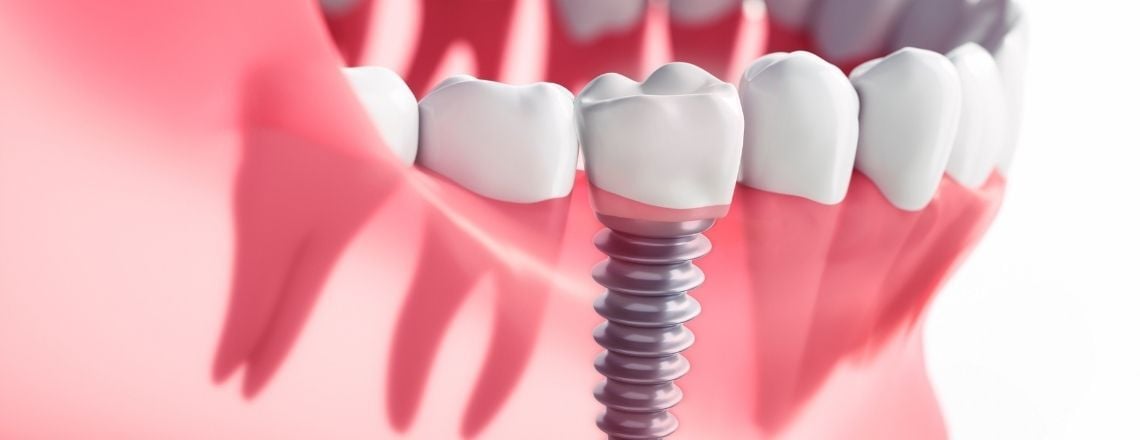
illustration of dental implant in a gumline
Jan 10
How Much Do Dental Implants Cost?

Dental implants are the modern standard for replacing failing or missing teeth. Because they are a permanent solution, you won’t have to worry about taking them out when you eat or sleep. Due to changing bone structure and general wear, partial dentures or bridges have to be replaced every 7-15 years. However, dental implants can last a lifetime because they bond with your bone to form permanent-looking teeth! How Much Do Dental Implants Cost? When comparing costs to other quotes you receive, be sure that the quote includes all parts of the implant. Many places will quote for just part of the implant. The price you see below is for all parts of a single tooth dental implant, so you know what you’re paying before beginning treatment. It’s also important to note that the fees you see below are all full price before taking into consideration insurance and other discounts. Read below to discover how you can save money on your dental implants cost. The cost for a single implant in 2026 is $8,882 with bone grafting/membrane. This cost includes all components of the dental implant. It’s important to note that a dental implant is comprised of 3 separate parts: the titanium implant, which is placed into the bone and bonds with the tissue; the custom abutment that attaches the implant to the crown; and the crown. In addition, bone grafting may be necessary in some cases to provide a strong base for the implant if too much bone has been lost over time. How to Pay the Dental Implants Cost: Dental Associates clinics offer several ways to help you pay for dental implants and keep out-of-pocket costs manageable. Here’s how we help you with the cost of dental implants: You have the opportunity to choose a payment plan of three installments to help make payments more manageable for you. You can use your funds in your Health Savings Account (HSA) or Flexible Spending Account (FSA) account toward your dental implants. Dental Associates clinics offer dental insurance through CarePlus Dental Plans. If you are in need of a dental insurance plan, you may be eligible for additional savings of up to 20% through CarePlus. Ask our dental implants team at your consultation how CarePlus can help with the cost of dental implants. CareCredit is another way to spread out payments for your dental implants. CareCredit is a line of credit specifically for health care costs including dental, medical, vision, veterinary, and more. You may be eligible for dental financing, including no interest if your balance is paid in full within the end of the promotional period of up to 24 months. Deferred interest may also be available. (Monthly payments are required). Learn more about CareCredit. Our dental implant teams are ready to restore your mouth to full functionality—and help you finance it. At your dental implant consultation, we will help decide the best treatment plan and work with you every step of the way so that you feel comfortable and confident with your care. Click the button below to request a consultation with our experienced dental implant teams. We look forward to meeting you soon!

Learn more →
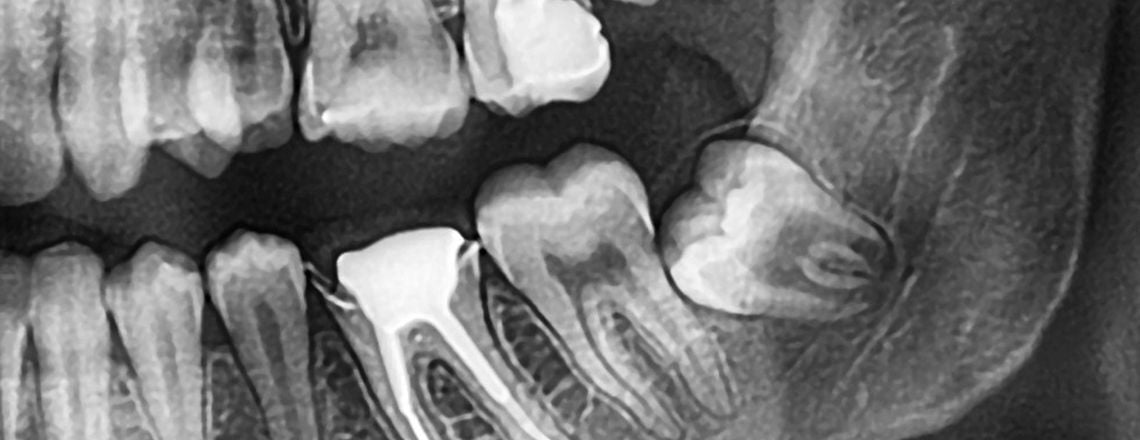
X-ray image showing wisdom teeth
Dec 5
Wisdom Teeth: the Timing and What to Expect

There once was a wise person named Murphy, who came up with a “law” that we have all heard: if anything bad can happen, it will happen and when you least expect it. Murphy’s Law. Putting off wisdom teeth removal may lead to something bad happening when you least expect it. Here’s how to prevent that. When Do Wisdom Teeth Appear? Wisdom teeth typically start developing between the ages of 14 and 22. Each case is different though; sometimes only 2 or 3 will appear, or none at all. It’s important to be proactive because wisdom teeth can be very painful and disrupt surrounding permanent teeth if not taken care of at the appropriate time. A panorex is an X-ray that takes an image of the entire mouth, including the teeth, upper and lower jaws, sinus cavities, and surrounding structures and tissues. A panorex allows us to see the bigger picture and evaluate what’s happening in a patient’s mouth to better decide what the course of action for future treatment should be. I typically recommend that your child have a panorex taken around the age of 15 to see exactly where the wisdom teeth are sitting in the mouth. It’s best to be proactive and make a plan for your child’s wisdom teeth, rather than waiting until they cause your child pain. That way, your child won’t be in pain and miles away at college when they find they need to have wisdom teeth removed. To avoid any surprises or complications, I recommend that kids get their wisdom teeth taken out before they go off to college. What to Expect about Wisdom Teeth Removal It’s important to keep your mouth clean after wisdom teeth extraction and follow the instructions your dentist gives you. Be sure to listen to what your child’s dentist says regarding diet and preparation in the few days leading up to the procedure. Especially if they’re being sedated, they shouldn’t have anything to eat the day of the procedure. Here are a few ways to take care of your mouth after wisdom teeth extraction: Your child is most likely going to be uncomfortable after and in moderate pain. Sometimes the pain depends on how impacted the teeth were that were extracted Swelling is normal and peaks within 48 hours. Don’t be alarmed if it takes a few days to go down, and if there is some bruising along with it Your child can lightly chew on gauze to help stop any bleeding. If there is some oozing and seeping that looks like the wounds may be bleeding, it’s perfectly normal—just a part of the healing process Consume a liquid diet for the first few days, but do not drink through straws Brush teeth carefully. Your child can still (and should!) brush their teeth, but take care when brushing around the back of the mouth. Rinse lightly, as wounds take a while to heal Your child’s dentist may give them a syringe to help rinse the sockets. Be sure to use it and carefully clean the wounds What Is a Dry Socket? A dry socket is the most common complication of wisdom teeth extraction. It typically happens 3-4 days after the surgery and occurs when the blood clot is dislodged from where the tooth was. It can be very painful, and usually has an odor along with it. A dry socket is easily fixed by coming back to the dentist and having a medicated dressing put into the socket. Be Proactive! Talk to your child’s dentist about their wisdom teeth to ensure the teeth do not disrupt the surrounding teeth or cause more severe issues. If you would like to have your child seen by a Dental Associates dentist, you can book an appointment below.

Learn more →


jack-o-lanterns lit up on a dark night
Oct 31
9 Tips for Keeping Teeth Healthy around Halloween

It’s Halloween and candy is everywhere! There are a lot of scary things about Halloween...but cavities don’t have to be one of them! Odds are, if your child is going trick-or-treating this year they will return with a lot of treats that are not good for their teeth. They can still participate in the fun of dressing up and going door-to-door, but there are a few small things you can do to minimize the risk of all that candy harming your kids’ teeth. Here are a few simple tips that can make a huge impact! Use moderation. Encourage your child to eat fun-sized candies instead of a full candy bar. The smaller portions have just as much flavor but a fraction of the sugars and calories. Drink water. Besides having positive overall health benefits, water is great for your teeth and mouth too! Drinking water helps rinse away sugar that would otherwise cling to teeth. It also balances out the pH levels in your mouth that sugar makes unbalanced. Limit candy consumption. Try to refrain from letting your child eat their Halloween candy throughout the day. Instead, have them eat a few pieces with lunch or dinner. Avoid sticky or chewy candy. Candies that are especially sticky such as gummy bears, caramels, and taffy get stuck on your teeth and are difficult to remove even with regular brushing and flossing. Try to avoid these candies, as they can remain on the teeth for prolonged periods of time and cause tooth decay more rapidly. Steer clear of anything sour. The acid in sour candies is extremely harmful to tooth enamel and causes it to breakdown quickly. Chew sugar-free gum. Chewing sugar-free gum helps to increase saliva flow, which helps to wash away acids and bacteria present after eating candy. Gum containing xylitol is especially effective because xylitol actively blocks the production of decay-causing acid on the teeth. Learn more about the benefits of xylitol. Avoid candies that last. Hard candy and lollipops take a long time to dissolve and stay in your child’s mouth for an extended period of time. This leaves plenty of time for teeth to get coated in sugar and for bacteria to start to turn that sugar into acid. Brush teeth soon after eating candy. As always, brushing teeth is the best way to keep them cavity-free. Have your child brush their teeth as soon after eating candy as possible to remove the harmful bacteria. Encourage your kids to participate in Halloween candy buyback programs! Some communities host candy buyback programs where children can exchange their candy for a monetary reward. Search for a buyback near you: Halloween Candy Buyback. With these tips in mind, your family is ready to have a great Halloween!

Learn more →