Dental Associates Blog

Our Experts. Your Oral Health

Jan 16
What are Implant-Supported Dentures?

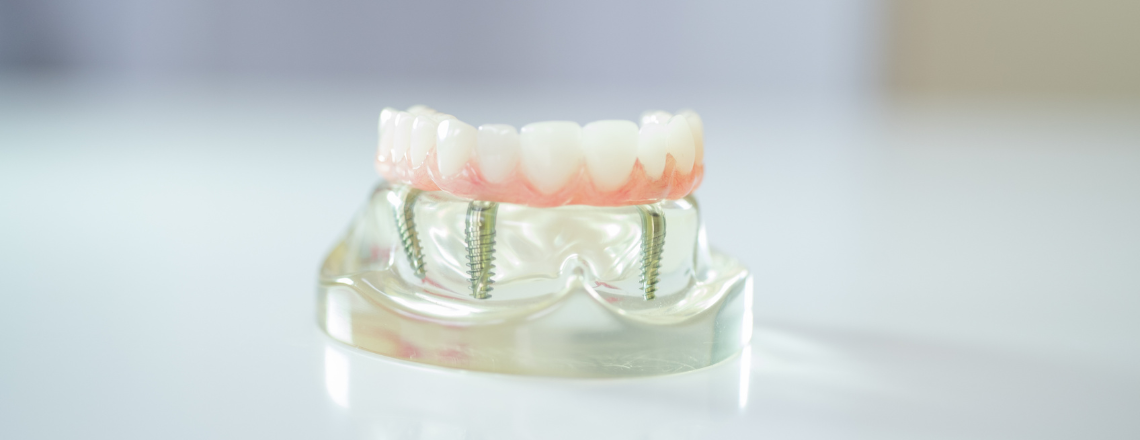
Implant-supported dentures are a great service for patients. Implant-supported dentures are the middle ground between the conventional denture that uses adhesive and the more expensive advanced full-arch dental implants. Implant-supported dentures are a great option for individuals who are seeking an affordable option to significantly improve their ability to chew and smile. The support of the implant allows the dental fixture to be shaped into a horseshoe, reducing the bulkiness and opening the palate to create more space for the tongue and better ability to taste food. Implant-supported dentures are sturdier and do not require adhesive. The individual can improve their diet by including fruits, veggies, steaks, corn on the cob, and other foods one would typically have to avoid with traditional dentures. Also, implant-supported dentures significantly improve patients’ confidence to smile and speak. This type of dentures is removable, and you’ll be able to snap it on and off as many times as needed. This means that cleaning and maintaining the denture is just as easy as a traditional denture. Benefits of Implant-Supported Dentures They are an affordable option for significant improvement in the ability to chew and smile Implant-supported dentures are sturdy and don’t need adhesive They function more like natural teeth The denture is removable, making it easy to clean This option preserves gum tissue and bone What is the Process for Placing Implant-Supported Dentures? Essentially, the existing denture becomes the interim denture after the implant surgery. Four months later, the patient gets a new denture that snaps-on to their implants. The process is simple and includes a series of appointments with your dentist. Your first appointment will be a consultation to further discuss what the process and care plan will look like when individualized to you. With your dentist, you will discuss the full procedure and other pertinent details to consider when deciding if implant-supported dentures are right for you. Your dentist will be able to show you models and answer any outstanding questions you may have about implant-supported dentures. If you think you may be a candidate for implant-supported dentures, reach out to a clinic near you to schedule a consultation.

Learn more →
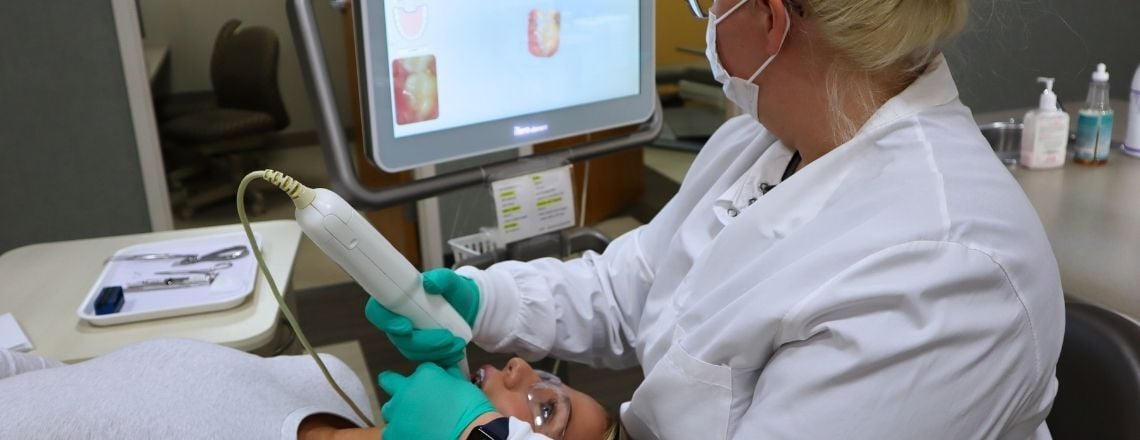
dentist working on patient while replacing teeth
Jan 14
5 Tooth Replacement Options Your Dentist May Recommend

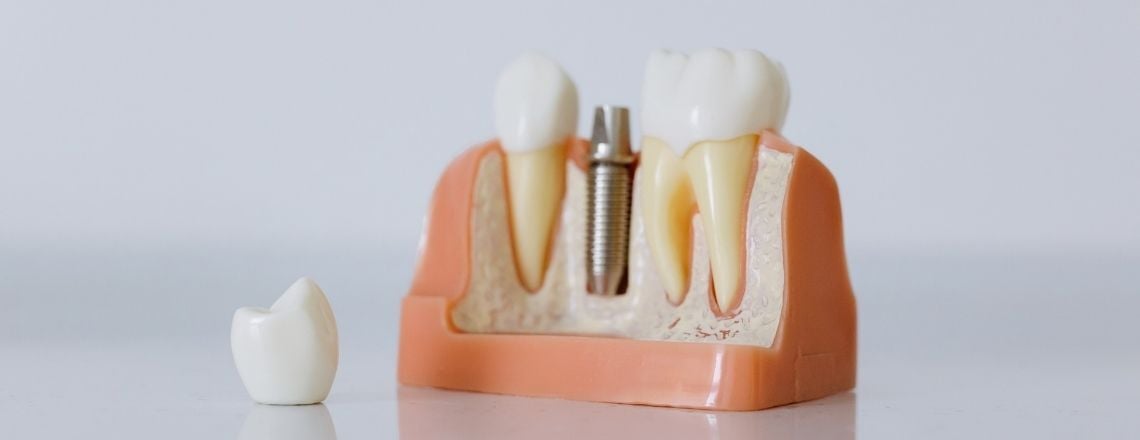
In dentistry, we are looking to ensure our patients have healthy and strong teeth that allow them to eat, smile and talk confidently. For many individuals, this is a challenge and leads them to look for the best options for replacement teeth. While we are always looking to preserve a patient’s natural teeth, we often run into situations where a dentist must remove and replace a damaged tooth. In these cases, your provider will help to determine the best tooth replacement options. Depending on your situation, you may have to consult with multiple specialists such as, your general dentist, a prosthodontist who specializes in tooth restoration and replacement, an oral surgeon, or a periodontist who treats gum disease. Everyone’s best option is different based on your unique situation, budget, and overall dental health. Often, the process of restoration and replacement begins with your general dentist. What Are the Tooth Replacement Options Available? Dental Implants Dental implants are a popular option for replacing a single tooth, a few teeth, or even a full set. Implants create a strong foundation for fixed or removable teeth, made to match your natural teeth by replacing tooth roots with titanium posts and securing the replacement teeth in place. Typically, implants require the following three steps: Surgical placement of the implant post Healing from the implant placement Replacing missing teeth (temporary teeth may be used during the interim steps) Sometimes a dentist can perform the steps in one visit, and in other cases, this process takes a series of visits to complete. Benefits of Dental Implants Dental implants look and function like a natural tooth Dental implants are very durable and will last many years. With proper care, they can last a lifetime. The tooth feels stable and strong Dental implants help preserve bone and bone tissue You can brush and floss normally, making them easier to keep clean Dental implants can be individualized to replace a single tooth without relying on other adjacent teeth Fixed Bonded Bridges Used to fill gaps in your smile, a dental bridge is held in place by abutment teeth on either side of the gap. While a traditional bridge uses dental crowns on the abutment teeth, this bridge uses a framework of either metal or porcelain that is bonded to the backs of the abutment teeth. This type of bridge can only be used when you have a natural tooth on either side of the gap. Benefits of Fixed Bonded Bridges Fixed bonded bridges look and feel like natural teeth They are less expensive than dental implants You do not have to remove fixed bridges to clean them or eat Removable Partial Dentures Traditional dentures are bulkier and can cause bone shrinkage and deterioration of the muscle tissue. Over time, the denture can become looser making it more difficult to talk and eat. Oral hygiene is easy to maintain with the traditional denture, and the denture is affordable, but you will have to limit your diet and avoid fruits and vegetables. Benefits of Removable Partial Dentures This is usually an affordable option compared to implants or fixed bridges This treatment is relatively noninvasive and quick compared to fixed bridges and dental implants Implant-Supported Dentures Implant-supported dentures are sturdier than traditional dentures because they use implants for retention rather than adhesive to stay in place. The support of the implant allows the dental fixture to be shaped into a horseshoe, reducing the bulkiness and opening the palate to create more space for the tongue and better ability to taste food. Implant-supported dentures are sturdier and do not require adhesive. Benefits of Implant-Supported Dentures Affordable option for significant improvement in the ability to chew and smile The implants provide support, which eliminates the need for adhesive and functions more like natural teeth Maintaining and cleaning the denture is easy Preserves bone, gum tissue, and muscle tone Full-Arch Dental Implants Sometimes referred to as an implant bridge, or all-on-four, the full-arch dental implant is less likely to become loose over time and is fixed. It preserves the bone and muscle tone and allows for confident eating and talking. Full-arch dental implants are the closest tooth replacement option to natural teeth and are also the least bulky option. Benefits of Full-Arch Dental Implants The replacement teeth feel more stable and less bulky than dentures Since this is a permanent fixture, there is no risk of shifting or slipping throughout the day They provide the look and feel of natural teeth The same simple care of natural teeth

Learn more →


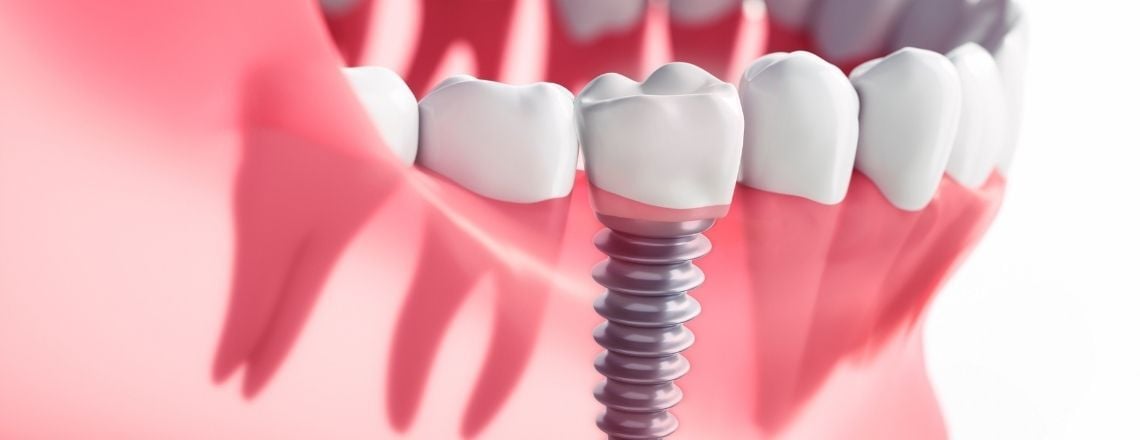
illustration of dental implant in a gumline
Jan 10
How Much Do Dental Implants Cost?

Dental implants are the modern standard for replacing failing or missing teeth. Because they are a permanent solution, you won’t have to worry about taking them out when you eat or sleep. Due to changing bone structure and general wear, partial dentures or bridges have to be replaced every 7-15 years. However, dental implants can last a lifetime because they bond with your bone to form permanent-looking teeth! How Much Do Dental Implants Cost? When comparing costs to other quotes you receive, be sure that the quote includes all parts of the implant. Many places will quote for just part of the implant. The price you see below is for all parts of a single tooth dental implant, so you know what you’re paying before beginning treatment. It’s also important to note that the fees you see below are all full price before taking into consideration insurance and other discounts. Read below to discover how you can save money on your dental implants cost. The cost for a single implant in 2026 is $8,882 with bone grafting/membrane. This cost includes all components of the dental implant. It’s important to note that a dental implant is comprised of 3 separate parts: the titanium implant, which is placed into the bone and bonds with the tissue; the custom abutment that attaches the implant to the crown; and the crown. In addition, bone grafting may be necessary in some cases to provide a strong base for the implant if too much bone has been lost over time. How to Pay the Dental Implants Cost: Dental Associates clinics offer several ways to help you pay for dental implants and keep out-of-pocket costs manageable. Here’s how we help you with the cost of dental implants: You have the opportunity to choose a payment plan of three installments to help make payments more manageable for you. You can use your funds in your Health Savings Account (HSA) or Flexible Spending Account (FSA) account toward your dental implants. Dental Associates clinics offer dental insurance through CarePlus Dental Plans. If you are in need of a dental insurance plan, you may be eligible for additional savings of up to 20% through CarePlus. Ask our dental implants team at your consultation how CarePlus can help with the cost of dental implants. CareCredit is another way to spread out payments for your dental implants. CareCredit is a line of credit specifically for health care costs including dental, medical, vision, veterinary, and more. You may be eligible for dental financing, including no interest if your balance is paid in full within the end of the promotional period of up to 24 months. Deferred interest may also be available. (Monthly payments are required). Learn more about CareCredit. Our dental implant teams are ready to restore your mouth to full functionality—and help you finance it. At your dental implant consultation, we will help decide the best treatment plan and work with you every step of the way so that you feel comfortable and confident with your care. Click the button below to request a consultation with our experienced dental implant teams. We look forward to meeting you soon!

Learn more →