Dental Associates Blog

Our Experts. Your Oral Health

hands holding ribbon symbolizing oral cancer
Jul 31
Oral Cancer Signs

According to the American Cancer Society, an estimated 53,260 people will get oral cancer in 2020 and 10,750 people will die from these cancers. Oral cancer has a high survival rate when caught early, which is why Dental Associates dentists pledge to monitor our patients for signs of oral cancer at each routine exam. Oral Cancer Exams With each routine dental exam, we perform a soft tissue exam as well to look for any sign of oral cancer. During these soft tissue exams, we feel for lumps or abnormalities that could be a sign of something more. In between exams, and especially if you’re a high-risk patient (those who have a family history of oral cancer, or are a smoker or chew tobacco), you can also perform self-exams to check yourself for signs of oral cancer. To do this, simply use a light to look around your mouth and monitor for any of the below symptoms. You can also feel around your jawbone and neck area for any abnormal lumps. If you do find an area of concern, make an appointment with your dentist immediately to have it examined further. Oral Cancer Signs and Symptoms Signs of oral cancer can include the following: White or gray patches under and around the tongue White or gray patches on the inside of the cheek and near the throat Growths on the lips, gums, and roof of the mouth Lumps around the jawbone and neck area Monitoring for Oral Cancer A bit ago, I was performing an exam on a patient and detected signs of oral cancer. The patient was diagnosed with squamous cell carcinoma, but luckily we caught it early and I was able to send them to our oral surgeon for care and the patient recovered fully. This is just one example of how examining our patients regularly for signs and symptoms of oral cancer can help keep them healthy and save lives down the road. It’s also important to share your family medical history with your dentist because those with a family history of oral cancers are at higher risk themselves. You may also be at higher risk if you’re a smoker or chew tobacco. By seeing your dentist for regular exams and self-monitoring between appointments, you can help keep yourself safe and we can catch oral cancer before it becomes too serious. If it’s been a while since you’ve had a dental exam, schedule an appointment with one of our teams below!

Learn more →
dental x-ray image showing teeth
Nov 8
Do I Really Need X-rays Every Year?

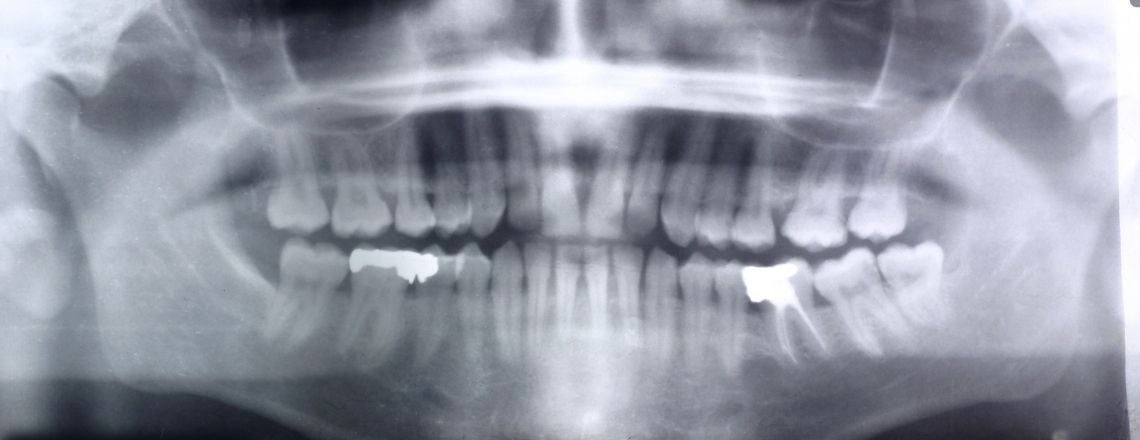
Dental X-Rays have become a common adjunct to a routine dental exam and are a standard of care practice, helping detect early signs of tooth decay, monitor jaw and tooth formation for adolescents and observe overall oral health not visible to the naked eye. While dental X-rays normally occur yearly, there can be other factors that affect the frequency of X-rays. These include: Age If your dentist is monitoring a specific issue Your current dental health History/symptoms of oral disease A history of gum disease (gingivitis), bone disease (periodontitis), or tooth decay For quite some time, there have been debates around the safety and risks regarding dental X-rays. As technology continues to develop and become more sophisticated, exposure to radiation is lowered significantly. Today, the risk is almost nonexistent due to minor radiation exposure and the implementation of digital X-rays, effective in cutting down radiation exposure by nearly half. To assist in reducing risk, dentists still use a lead covering with a thyroid collar to protect the thyroid. For adults, dental X-rays are used to look for areas of decay that the dentist would not be able to see with the naked eye, such as areas between the teeth or underneath a filling. X-rays allow dentists to exercise preventative action, alerting to things like bone loss from periodontal disease, show problems in the root of a tooth such as infection or death of the nerve and look for other problems like cysts, cancer or changes caused by diseases of the body. Dental X-rays can also assist in helping your dentist plan, prepare and place tooth implants, braces, dentures or other dental work. For these reasons, it is incredibly important that patients receive dental X-rays as needed to assess for various oral health concerns, and at minimum have a series of X-rays completed annually.

Learn more →