7 Common Dental Myths
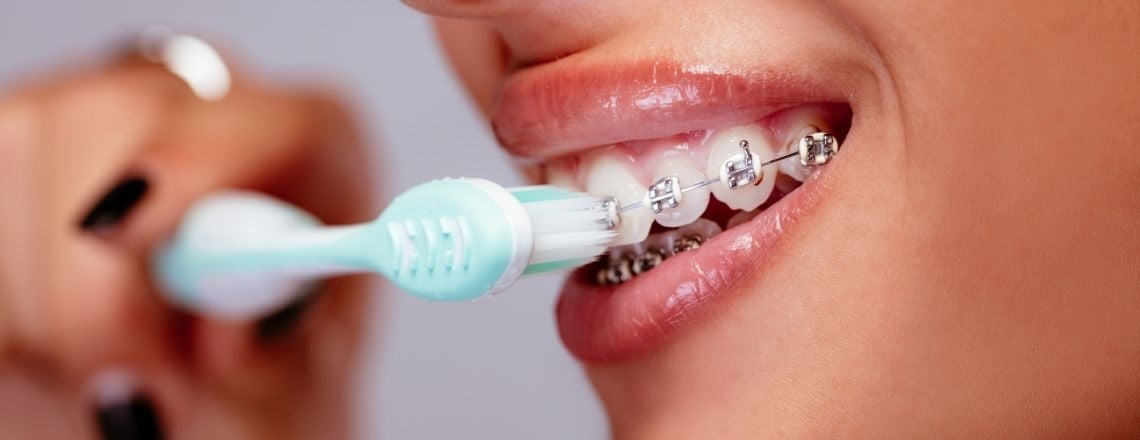
“Diet sodas are okay to drink.” “Flossing creates spaces between teeth.” “Baby teeth aren’t important.” “My tooth doesn’t hurt, so it should be okay.” How many of these have you heard before? I would like to share the truth about these common oral health myths I hear from patients almost every day. Read on to learn about them and how to keep your mouth healthy. 1. “You only need to go to the dentist if your teeth hurt.” You might be aware of the saying “prevention is better than cure.” What is relatively less heard of is that diagnosing and curing a tooth problem at an earlier stage is much easier and cost-effective than if it were to be addressed later. Even if you aren’t experiencing dental pain, we recommend seeing a dentist twice a year for regular cleanings and exams. Some dental issues are asymptomatic but can still cause infection and need treatment. If you were to wait too long, the treatment needed may be more expensive than if the disease were caught before it worsened. Also, the tooth has a lesser chance of being saved at a later point in time. Altogether, prevention saves you both time and money in the long-run. 2. “Flossing can create spaces between your teeth.” Flossing does not create spaces between your teeth. In fact, flossing helps prevent decay between your teeth. When you floss, you’re removing food debris nestled around your teeth and gums, which helps keep them healthy and removes harmful bacteria. When you begin a flossing routine you may experience bleeding gums, but after a few weeks of steady flossing, the bleeding tends to decrease. If your gums still bleed with flossing over time, the gum disease might be more severe and I recommend seeing your dentist to help determine the cause and proper treatment plan. Sometimes if you have plaque and tartar buildup in between and behind your teeth, it can be difficult to floss. A hygienist can help remove that buildup and make it easier for you to establish a successful flossing routine. Learn how to floss. 3. “It’s only a baby tooth.” Baby teeth are very important! They provide the necessary space for permanent teeth to line up underneath the gums and grow in properly. Cavities in baby teeth—if not addressed right away—can cause tooth loss much earlier than is natural, resulting in a space. If this happens, a dentist can make an artificial space maintainer until the permanent tooth grows in, but baby teeth are the best natural space maintainers. It is important to make sure that your child’s teeth are as healthy as possible. If a child isn’t brushing and flossing their baby teeth, odds are they won’t brush and floss their permanent teeth either, which leads to more severe and expensive dental issues as they get older. So all in all, it is more than just a baby tooth. 4. “It doesn’t matter what time of day I brush.” While we recommend each of our patients brush their teeth at least twice a day, brushing at a certain time does have an impact on your oral health. At night when we sleep, our salivary glands produce less saliva. During the day our saliva flow is higher and it provides a cleansing effect that we don’t get at night. In general, those with dry mouth (whether naturally or due to medication) have more cavities because they have less natural saliva cleansing their mouth and washing away food particles. So, when we don’t brush our teeth at night before bed, those food particles sit on our teeth all night and contribute to tooth decay over time. Brushing in the morning not only fights decay but also helps fight bad breath. Furthermore, choice of diet plays an integral role in oral health. It is recommended to brush right after consuming food and drink high in sugar and carbohydrates to prevent cavities. 5. “Diet sodas are okay to drink because they don’t have sugar in them.” Though diet sodas don’t have cavity-causing sugars in them, they still are highly acidic. Our mouth has acid-loving bacteria that contribute to cavities. Diet sodas have a pH level of about 2-3, while water is neutral at a pH level of 7 (for reference battery acid is very acidic at a pH level of 0). The acid in diet soda eats away at enamel (the outer protective layer of our tooth surface) causing tooth sensitivity. Some people tend to slowly sip their sodas throughout the day, which is actually more hazardous. Every time you take a sip, the bacteria in your mouth begins to work with the acid and attack your enamel. It takes about 20 minutes for your mouth to neutralize that acid again and each time you sip that 20-minute attack starts over. Besides soda, other acidic beverages like orange juices, citrus juices, etc. can also cause similar damage. The healthiest alternatives to keep your body hydrated are water, vegetable juice, and milk. 6. “Oral health is not connected to the rest of the body.” Your oral health is connected to your systemic (overall) health and there are many correlations between your mouth and body. A mouth with severe tooth decay and periodontal disease is more likely to cause bacteria to enter into the bloodstream and result in other health issues. Studies have found a link between periodontal disease and heart disease, diabetes, cancer, and more. Learn more in our blog post about oral health and heart health. 7. “My teeth are unhealthy because I’m aging.” Aging is not an automatic factor in deteriorating oral health. Those who take care of their teeth during their childhood and adult years will still have healthy teeth in their senior years. Similarly, just because you are young doesn’t mean your teeth will be healthy. I have seen plenty of cases where patients in their 20s and 30s have such severe dental decay that they have to rely on dentures and bridges. In general, oral hygiene is important no matter your age, so be sure to brush and floss throughout your entire life to keep your mouth healthy. Be Proactive About Your Dental Care I encourage you to be proactive in keeping your teeth healthy. Putting off regular dental check-ups will likely lead to problems. A little time invested each day can save you countless hours of trouble – not to mention money – in the future. If you’re experiencing problems or have questions about your oral health, request an appointment below and Dental Associates will help keep your oral health in optimal shape!
Learn more →

 Call a Clinic
 Find a Location
 Find a Dentist
 Pay My Bill
 Patient Resources
 Dental Services
 Insurance & Financing
 Family Owned