Wisdom Teeth: the Timing and What to Expect
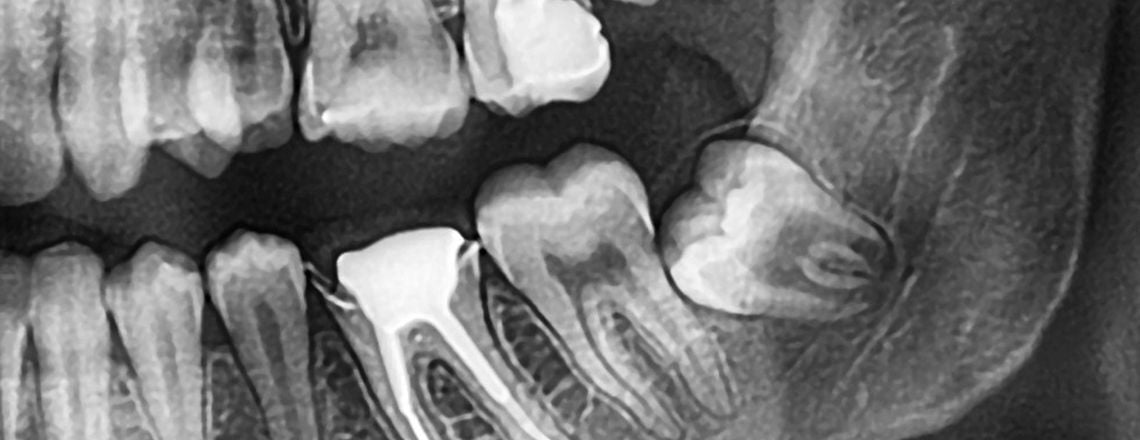
There once was a wise person named Murphy, who came up with a “law” that we have all heard: if anything bad can happen, it will happen and when you least expect it. Murphy’s Law. Putting off wisdom teeth removal may lead to something bad happening when you least expect it. Here’s how to prevent that. When Do Wisdom Teeth Appear? Wisdom teeth typically start developing between the ages of 14 and 22. Each case is different though; sometimes only 2 or 3 will appear, or none at all. It’s important to be proactive because wisdom teeth can be very painful and disrupt surrounding permanent teeth if not taken care of at the appropriate time. A panorex is an X-ray that takes an image of the entire mouth, including the teeth, upper and lower jaws, sinus cavities, and surrounding structures and tissues. A panorex allows us to see the bigger picture and evaluate what’s happening in a patient’s mouth to better decide what the course of action for future treatment should be. I typically recommend that your child have a panorex taken around the age of 15 to see exactly where the wisdom teeth are sitting in the mouth. It’s best to be proactive and make a plan for your child’s wisdom teeth, rather than waiting until they cause your child pain. That way, your child won’t be in pain and miles away at college when they find they need to have wisdom teeth removed. To avoid any surprises or complications, I recommend that kids get their wisdom teeth taken out before they go off to college. What to Expect about Wisdom Teeth Removal It’s important to keep your mouth clean after wisdom teeth extraction and follow the instructions your dentist gives you. Be sure to listen to what your child’s dentist says regarding diet and preparation in the few days leading up to the procedure. Especially if they’re being sedated, they shouldn’t have anything to eat the day of the procedure. Here are a few ways to take care of your mouth after wisdom teeth extraction: Your child is most likely going to be uncomfortable after and in moderate pain. Sometimes the pain depends on how impacted the teeth were that were extracted Swelling is normal and peaks within 48 hours. Don’t be alarmed if it takes a few days to go down, and if there is some bruising along with it Your child can lightly chew on gauze to help stop any bleeding. If there is some oozing and seeping that looks like the wounds may be bleeding, it’s perfectly normal—just a part of the healing process Consume a liquid diet for the first few days, but do not drink through straws Brush teeth carefully. Your child can still (and should!) brush their teeth, but take care when brushing around the back of the mouth. Rinse lightly, as wounds take a while to heal Your child’s dentist may give them a syringe to help rinse the sockets. Be sure to use it and carefully clean the wounds What Is a Dry Socket? A dry socket is the most common complication of wisdom teeth extraction. It typically happens 3-4 days after the surgery and occurs when the blood clot is dislodged from where the tooth was. It can be very painful, and usually has an odor along with it. A dry socket is easily fixed by coming back to the dentist and having a medicated dressing put into the socket. Be Proactive! Talk to your child’s dentist about their wisdom teeth to ensure the teeth do not disrupt the surrounding teeth or cause more severe issues. If you would like to have your child seen by a Dental Associates dentist, you can book an appointment below.
Learn more →

 Call a Clinic
 Find a Location
 Find a Dentist
 Pay My Bill
 Patient Resources
 Dental Services
 Insurance & Financing
 Family Owned




.jpg?width=1140&height=440&name=community-service%20(1).jpg)